Formula 1
Formula 1 in India: A Curious Case
What if I told you you could have watched F1 on Doordarshan? Or that we could have had a Hyderabad Gp or even a Mumbai GP long before the Indian GP at Buddh? Surprising right


India has seen significant growth in its motorsport culture over the past decade. The popularity of racing events like the Indian Grand Prix, which was held first in 2011, demonstrated the immense interest and enthusiasm of Indian fans. Bringing Formula 1 back to India would further fuel this passion and contribute to the development of motorsport in the country. The introduction of Drive To Survive in 2018 only accelerated the growth. When it comes to F1 fan bases around the world, India ranked 5th largest in 2019[1]. But it still doesn’t have an official broadcaster in the country nor do we have an Indian GP. Ever wondered what went wrong? Or what could have been?
Table of Contents
1. Broadcasting: Doordarshan to F1TV
Let’s go back to the times when F1 was in India. It all started back in 1995. Schumacher had just won his first championship the previous year, and the world was mourning the passing of Senna. Damon was upset about the Australian GP, and India was about to experience its first live Formula 1 event. Vicky Chandhok, a familiar name, as he’s the father of Karun Chandhok, had his own production house that held the broadcasting rights for F1 races in India.
However, there was a problem. Cable TV had only been introduced in India three years prior, and Chandhok had to decide whether to offer F1 as pay-per-view or show it on the national network, Doordarshan. They chose the safer option of broadcasting F1 on Doordarshan, but it wasn’t easy. Prasar Bharti, the parent organization of Doordarshan, wasn’t particularly enthusiastic about showcasing car racing during their prime-time television slots. Eventually, Vicky had to pay Doordarshan just to broadcast Formula 1 on their network, marking the first live telecast of F1 in India.
However, this arrangement didn’t last long. At that time, F1 cars prominently featured tobacco sponsorships, which became a problem when the Indian parliament decided that promoting such products on television wasn’t ideal. As a result, the broadcasts were abruptly discontinued.
Later on, the broadcasting rights for F1 shifted to ESPNStar, which was known as Star Sports in the early 2000s. Interestingly, many new F1 fans might not be aware that India used to have its own pre and post-race shows, separate from the world feed. Steve Slater became a household name in India as he became the voice of F1 in the country. [2]
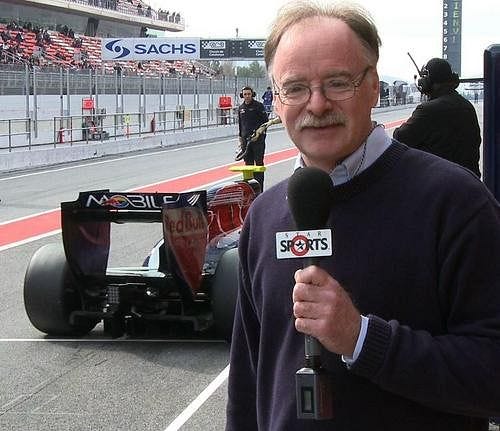
However, after ESPNStar transformed into what we now know as Star Sports, the decline in F1 broadcasting began. Investments in Formula 1 were reduced, the pre and post-race shows were canceled, and Indian commentators were lost. Eventually, Indian fans were left with only the international feed, which was also discontinued in 2023 when Star Sports didn’t renew the contract with F1. As a result, Indian fans were left with no option but to subscribe to F1TV in order to watch the sport.
2. Hyderabad: Biryani, Charminar and Formula 1?
Transporting us back to the early 2000s, a time of shifting cultural landscapes and technological advancements, Formula 1 found itself in the spotlight of discussions for a potential race in Hyderabad. Chandrababu Naidu, the then Chief Minister of Andhra Pradesh, embarked on a three-day trip to Italy during the Italian GP weekend in an ambitious attempt to bring Formula 1 to Hyderabad as early as 2006. During his visit, he met with Bernie Ecclestone and Herman Tilke, successfully securing Ecclestone’s acceptance to visit Hyderabad and finalize the deal.
In fact, a preliminary agreement was even signed, setting the stage for hosting F1 races in the city from 2007 onwards[3]. Simultaneously, Sharad Pawar, the former CM of Maharashtra, announced that Mumbai would also bid for a race, claiming that it possessed better existing infrastructure and was more suited to host a race in the near future[4].
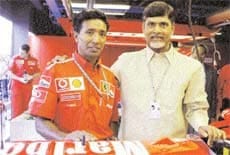
However, for Hyderabad to successfully host a Formula 1 race, significant infrastructural improvements were required. These included an international airport, an expressway connecting the airport to the race track, five-star accommodations for the entire grid comprising teams, officials, journalists, and media teams, as well as an international standard trauma center to ensure safety during the event. Additionally, a race track that met all the safety regulations set by the FIA was of utmost importance.[5]
Despite the ambitious plans, the anticipated cost of $200 million posed a significant obstacle. Moreover, the plight of millions of farmers facing a severe drought added to the challenges. Ultimately, Chandrababu Naidu’s dream of bringing an F1 race to his state faded away with his defeat in the 2004 elections. Similarly, Mumbai’s bid for an F1 race also faced a similar fate, as the government showed little interest in allocating hundreds of millions of dollars for motorsports ventures.
3. It’s here! Indian GP Gurgaon 2010 Noida 2011
In June 2007, following extensive negotiations between the Indian Olympic Association (IOA) and Bernie Ecclestone, it was officially announced that India would host a Formula 1 race in the 2009 season. The chosen location for the race was Gurgaon, and the track design was entrusted to the renowned Hermann Tilke. However, in September of the same year, a change in plans emerged, and it was decided that the race would instead debut in 2010 at the Buddh International Circuit.

Unfortunately, due to delays in land acquisition and construction works, the inaugural Indian Grand Prix was once again postponed, this time for an additional year. The timeline was incredibly tight, with the circuit’s inauguration occurring just a few weeks prior to the October 2011 Indian Grand Prix.[6]
4. Empty your pockets.
Jaypee Group, the owners of the track, invested approximately $463 million at that time in the construction of the circuit, aiming to recoup their investment as quickly as possible [7] . Additionally, they had to pay around $50 million just to secure a spot on the Formula 1 calendar. Consequently, ticket prices for the event were set quite high. During the inaugural race, the cheapest ticket was priced at Rs 2,500, while the Main Grandstand boasted a staggering Rs 35,000 price tag. However, due to poor sales, organizers later reduced the Main Grandstand ticket price to Rs 15,000 for the Race Day. Regardless, the inaugural race drew a crowd of approximately 1 lakh people.
In the following year, both ticket prices and attendance decreased. The cheapest ticket for the 2012 Indian Grand Prix was available for Rs. 2,000 on the Race Day, with the most expensive grandstand tickets priced at Rs. 12,000 for Sunday. Customers also had the option to purchase a season pass for all three days of the weekend, ranging from Rs. 3,000 to Rs. 21,000 [8].
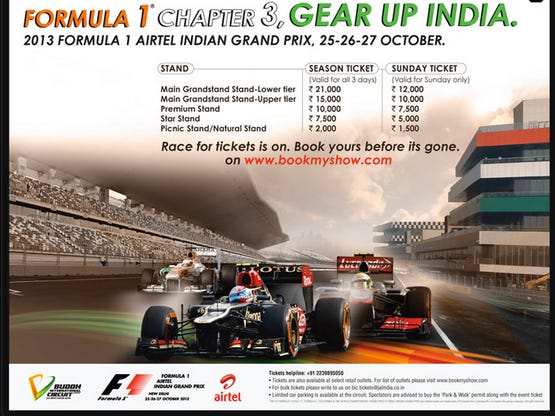
However, in the third year, attendance rebounded. The race attracted a total of 85,000 people, and ticket prices were made even more affordable. The cheapest and most expensive tickets for the race day were priced at Rs. 1,500 and Rs. 12,000, respectively, while the season pass for the entire weekend ranged from Rs. 2,000 to Rs. 21,000. [9]
5. Did you pay your tax?
Despite the challenging economic conditions, Jaypee remained committed to its plans and invested approximately Rs 2,000 crore (USD 314 million) in the construction of the Buddh International Circuit on the outskirts of Delhi. According to the audited accounts of Jaypee Sports International Limited (JPSI), the company also paid a licensing fee of Rs 197.7 crore (USD 31.1 million) for the inaugural race, a figure that increased to Rs 249.6 crore (USD 39.1 million) by the third edition, indicating the presence of an escalation clause in the contract.
Additionally, the inaugural race incurred operating expenses of Rs 121 crore (USD 19 million), bringing the combined costs well beyond Rs 300 crore (USD 47 million).
The exact amount of taxes paid by JPSI for hosting the race is difficult to determine as the relevant figures are not segregated in the accounts from other company activities. However, leading Indian media outlets estimated custom duties to be somewhere between Rs 8 – 10 crore (USD 1.25 – 1.57 million). The government later dropped this tax in 2014, a few months after the last Indian Grand Prix.
In terms of revenue, the promoters were only able to recover Rs 140 crore (USD 21.2 million) from the 2011 Indian Grand Prix, despite attracting a crowd of 95,000 fans to the event. The figure dropped to nearly half at Rs 76 crore (USD 11.5 million) in 2012 but recovered substantially to Rs 113 crore (USD 17.1 million) in 2013.
By this time, Jaypee had managed to reduce the operational expenses of the circuit, bringing the total cost of staging the event down to Rs 273 crore (USD 42.91 million). However, the conglomerate still had to write off losses of Rs 160 crore (USD 25.13 million), without considering taxes. [10]
6. “WE WERE ON A BREAK”
There were numerous other challenges to overcome as well apart from the tax issues. Dealing with customs to import equipment for the race teams proved to be a headache, with Ferrari even attributing their loss in the 2012 race to the delay in obtaining critical parts. The visa process was also unforgiving, as Karun Chandhok revealed in an interview with the BBC, stating that numerous media personnel and team members were unable to attend the race due to visa complications.
“Just this week, I have had at least 50 different media people from around the world, and people from teams, engineers who have called me to say, ‘Hey, we are stuck in London without a visa, we can’t come to the race” Karun Chandhok told BBC [11]
In 2014, Formula 1 initially sought to schedule a race in March instead of October, but the organizers were not prepared to host the event twice within a span of six months. However, they eventually agreed to the change. Unfortunately, the Indian Grand Prix was ultimately dropped from the calendar for that year, with Bernie Ecclestone citing bureaucratic and political issues as the primary reasons for excluding India from the 2014 F1 calendar [12] . Despite assurances that the race would return in 2015, it never materialized.
Furthermore, the owners of the track, Jaypee Group, encountered financial difficulties. As of March 31, 2015, the conglomerate’s total debt was estimated to be around Rs 75,000 crores, according to foreign brokerage firm Credit Suisse. To alleviate the debt burden, Jaypee Group opted to sell some of its cement and hydro-power plants. [13]
7. So long, farewell?
So, what’s next for the Formula 1 in India? One of the biggest misconceptions people have is that the Indian government considers Formula 1 or motorsports in general as entertainment rather than a sport. While it’s true that F1 was taxed as entertainment during its time in India, that was only at the state government level, not the central government. In 2015, the Indian government officially recognized motorsports as a sport when they included the Federation of Motor Sports Clubs of India (FMSCI), the governing body of motorsports in the country, in the list of sports ministry-backed national sports federations [15] .
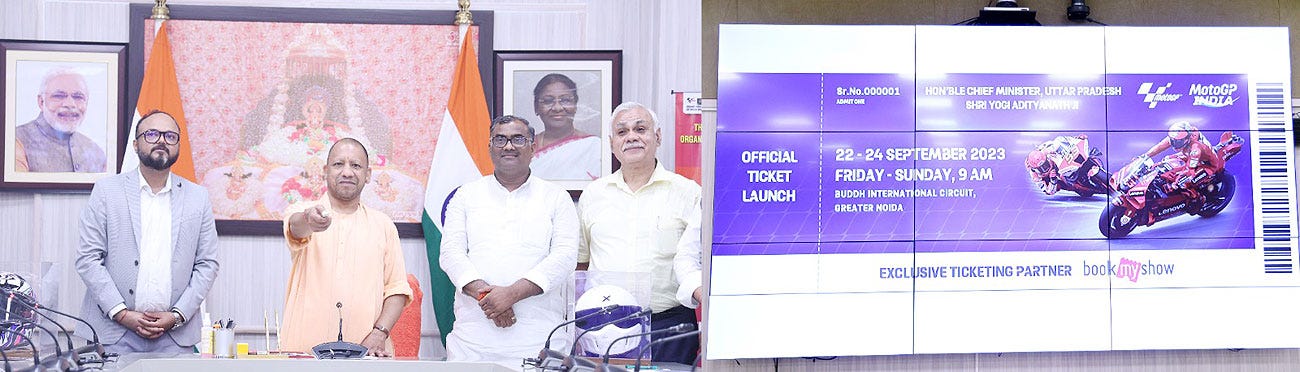
It’s difficult to say for certain when the Indian Grand Prix might make a comeback, but considering the recent debut of Formula E and MotoGP in India in 2023, it doesn’t seem too far-fetched. Formula E is receiving support from the Telangana government, while MotoGP has been assured by the Uttar Pradesh government—something that Formula 1 didn’t have during its time here. These are promising signs.
With proper planning and support, the return of Formula 1 to India is within reach, although there are other factors to consider. Even if India is the perfect place to host an F1 race, it’s not guaranteed to secure a slot in the super hectic 24-race calendar that F1 currently has. Nevertheless, we remain hopeful that F1 will make its way back to the country soon.
Follow DesiRacingCo on X and Instagram to never miss a motorsport update. To know more about other motorsports, visit https://desiracingco.in/








Formula 1
Antonelli Announces Himself in Shanghai: Mercedes Dominate as Hamilton Claims First Ferrari Podium

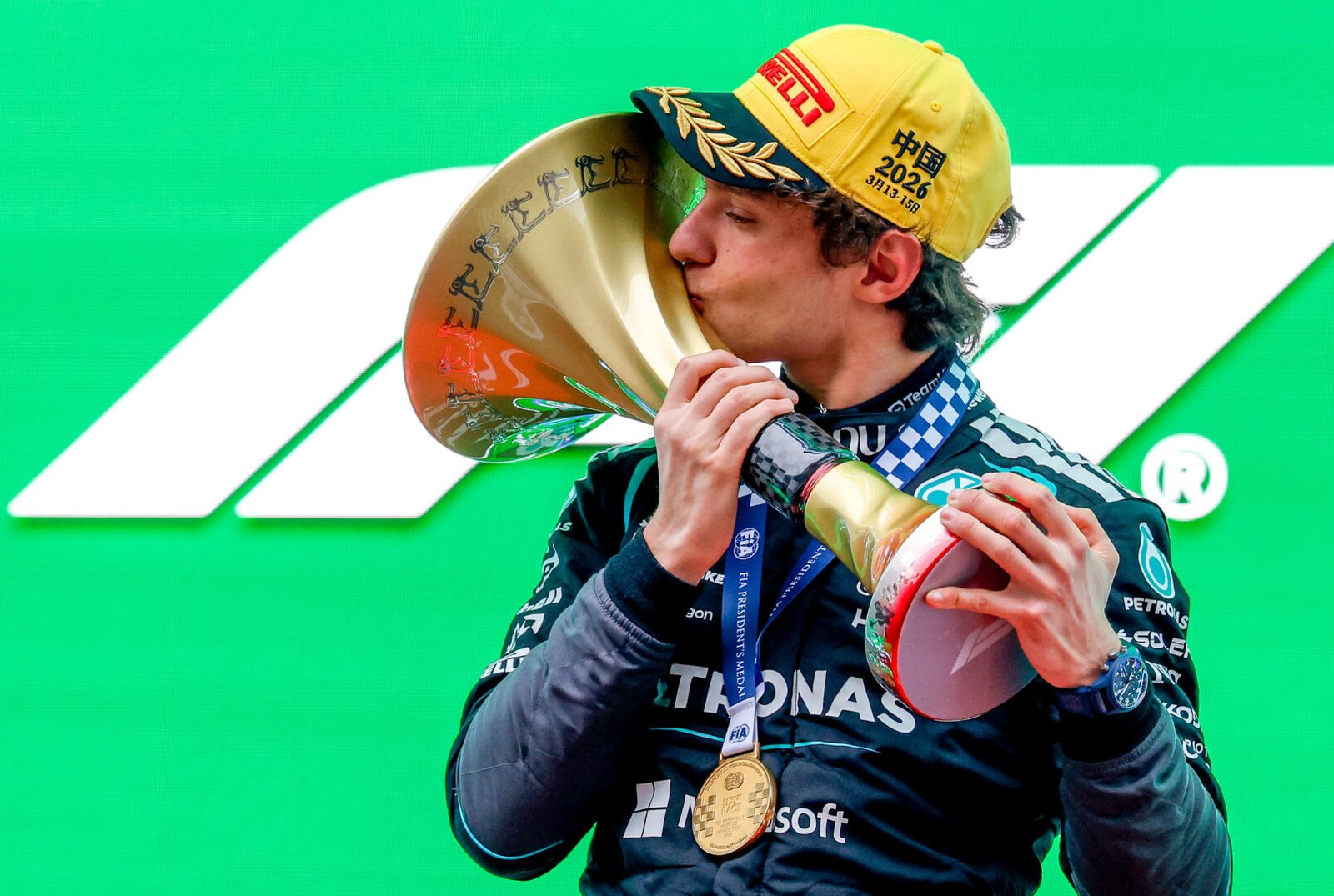
The 2026 Chinese Grand Prix delivered a defining moment for the sport’s next generation as Kimi Antonelli secured his maiden Formula 1 victory in dominant fashion. Starting from pole, the Mercedes rookie produced a composed and mature drive to lead a commanding one-two finish for the Mercedes-AMG Petronas Formula One Team at the Shanghai International Circuit.
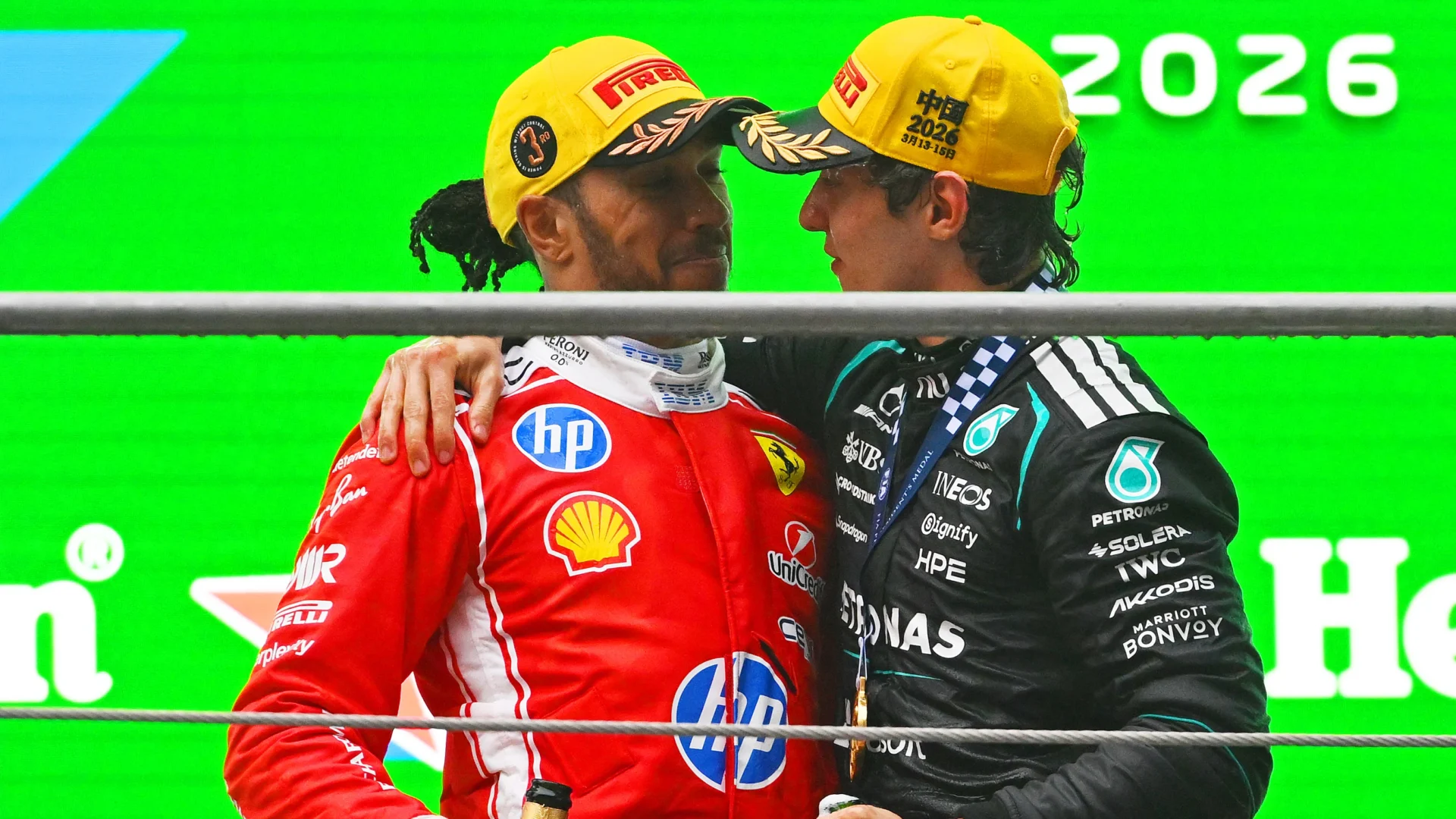
While Antonelli celebrated the biggest milestone of his young career, the race also marked an important moment for Lewis Hamilton, who secured his first Grand Prix podium since joining Scuderia Ferrari. Hamilton’s third-place finish ensured Ferrari remained firmly in the fight behind a dominant Mercedes performance.
Mercedes – A Statement Victory
For Mercedes, the Chinese Grand Prix was close to the perfect weekend. After locking out the front row in qualifying, the team converted its pace advantage into a dominant race result.
Antonelli briefly lost the lead at the start after Hamilton launched off the line, but the Italian quickly reclaimed the position within the opening laps and controlled the race from the front. Even a Safety Car period during the pit stop phase failed to disrupt his rhythm, as he managed the restart confidently and gradually built a comfortable margin.
Teammate George Russell completed the team’s success by finishing second. Despite losing time in traffic during the race, Russell secured the position to give Mercedes a crucial one-two finish early in the season. Toto Wolff reflected on the race:
“We’ve made a good start to the season but there is much work ahead. We will keep focused, keep pushing on and hopefully can continue to fight for victories as the season progresses.”
The result firmly establishes Mercedes as one of the early benchmarks under the new 2026 regulations.
Ferrari – Hamilton Delivers First Podium
Ferrari showed promising pace throughout the weekend, with Hamilton producing one of the standout drives of the race.
The seven-time world champion made an excellent start and briefly led the race before Antonelli regained control. From there, Hamilton remained in the fight for the podium while also managing pressure from teammate Charles Leclerc.
Their intra-team battle became one of the race’s key storylines, with Hamilton ultimately finishing third while Leclerc crossed the line in fourth. The result gives Ferrari valuable early-season points and suggests the team could be a consistent challenger in the races ahead. Fred congratulated:
“It was a positive weekend overall and I’m happy for Lewis, as this first podium with Ferrari is an important step for him. Of course we are still a long way off Mercedes, and we need to work very hard in the coming weeks.”
Haas – Bearman Shines Again
One of the standout performances of the race came from Haas F1 Team, with Oliver Bearman delivering an excellent drive to finish fifth. The young British driver ran a controlled race throughout the afternoon, avoiding incidents and maintaining a consistent pace while several other teams struggled with strategy or reliability issues.
Bearman’s performance allowed Haas to emerge as the clear leader of the midfield battle in Shanghai. The result also extends the rookie’s impressive start to his Formula 1 career, as he continues to show maturity and racecraft beyond his experience. After the race, Bearman expressed satisfaction with the result, saying he was “really happy with the performance and the points” the team secured.
Alpine – Solid Points Finish
Alpine F1 Team enjoyed one of the strongest midfield performances of the race in Shanghai, finishing as the only team outside the frontrunners to score with both cars. Pierre Gasly delivered a consistent drive to secure sixth place, running competitively throughout the race and keeping Alpine firmly in the midfield fight.
Teammate Franco Colapinto also contributed to the team’s success by finishing tenth, securing his first point for Alpine. The double points finish gave the Enstone-based squad a valuable nine-point haul and provided a positive boost after a challenging start to the season.
McLaren – A Weekend to Forget
In contrast to the strong performances at the front, the weekend proved disastrous for McLaren. Andrea confronted:
“We are here to go racing, and today we were not in condition to do so because of separate electrical problems on both power units, which is extremely frustrating and disappointing for the team, the drivers, our technical and commercial partners, and of course our fans. We are sorry for that and will make sure we bounce back as one team in Suzuka.”
Both drivers — Lando Norris and Oscar Piastri — were unable to start the race due to technical problems with their cars. The double DNS meant McLaren left Shanghai without a single point, dealing a major blow to their early championship hopes.
Red Bull – A Difficult Weekend
Red Bull Racing endured a challenging race weekend in Shanghai, struggling to match the pace of the frontrunners throughout the event. Both drivers opted to start on the soft tyres — the only team to do so — but the strategy did not deliver the intended advantage. Max Verstappen had a poor start and lost several positions in the opening laps, while teammate Isack Hadjar spun early in the race during a battle with Oliver Bearman, forcing him to pit at the end of the first lap.
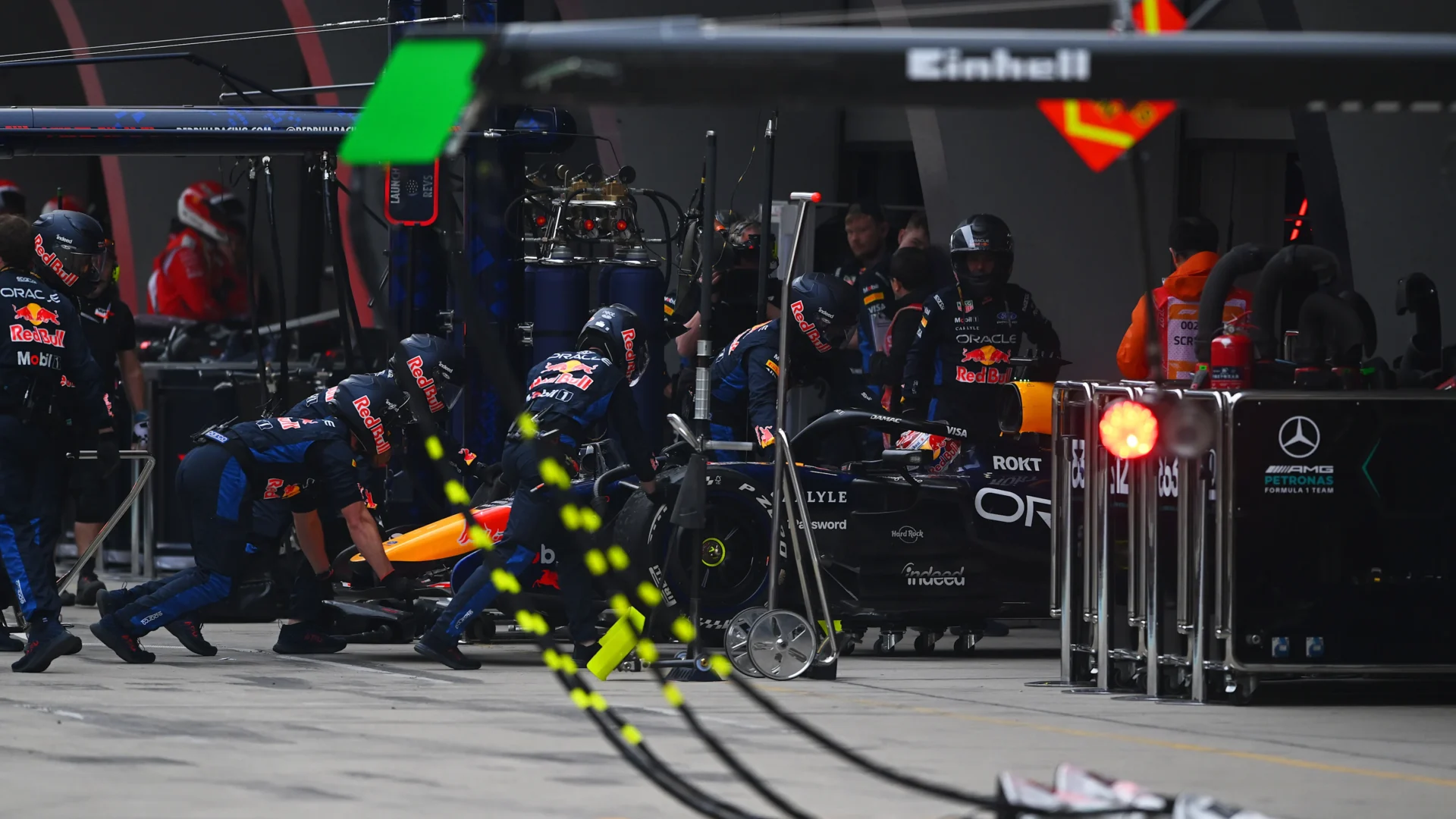
Verstappen’s race became even more complicated after pitting just before the Safety Car was deployed, which cost him valuable track position. Although he briefly fought his way back into the points, the Dutchman was ultimately forced to retire due to an ERS issue. Hadjar recovered from his early spin and worked his way through the field to finish eighth, securing his first points for the team, but overall it was a difficult weekend for Red Bull, which continued to struggle with pace and reliability.
Williams — First Points of the Season
Williams Racing endured a mixed race in Shanghai but still managed to take their first points of the season. Alex Albon was due to start the race from the pit lane after the team made set-up changes under parc fermé conditions, but a hydraulic issue detected on the laps to the grid meant he was ultimately unable to start.
That left Carlos Sainz as the team’s only representative in the Grand Prix. His race initially looked compromised after pitting just one lap before the Safety Car, but the Spaniard recovered well through the field and managed his tyres effectively in the closing stages. Sainz then held off a late charge from Franco Colapinto to secure ninth place, earning Williams their first points of the 2026 season.
RB — Lawson Delivers Points Finish
Visa Cash App RB Formula One Team secured a solid result in Shanghai thanks to a strong performance from Liam Lawson. Starting on the medium tyre, Lawson showed good pace early in the race but was unlucky to pit just one lap before the Safety Car appeared. Despite the setback, the New Zealander fought back with several overtakes during the race and eventually finished seventh after a series of competitive midfield battles.
Teammate Arvid Lindblad ran a different strategy, starting on the hard tyres and staying out during the Safety Car period, which briefly promoted him up the order. However, without another Safety Car to help his strategy, he dropped out of the points after pitting and finished twelfth, also suffering a spin during the race.
Aston Martin — Double Retirement in Shanghai
Aston Martin F1 Team experienced a difficult afternoon in Shanghai, with neither car reaching the chequered flag. Both drivers started the race on the hard tyre, and Fernando Alonso made a strong start, briefly moving into the top ten during the early stages.
However, the team’s race began to unravel when Lance Stroll was forced to retire after his car suffered a technical failure, bringing out the Safety Car early in the race. Alonso continued for several more laps but was eventually forced to retire due to severe vibrations in the car, leaving Aston Martin without a result in the Chinese Grand Prix.
Race Result
Team Standings!
Formula 1 Heads to Suzuka for Round 3 of the 2026 Season
The 2026 Japanese Grand Prix will take place next at the iconic Suzuka Circuit, one of the most demanding and historic tracks on the Formula 1 calendar. Known for its unique figure-eight layout and flowing high-speed corners such as the Esses, Degner curves and 130R, Suzuka is a circuit that rewards precision, balance and driver confidence. With several teams still trying to fully understand their cars under the new 2026 regulations, the Japanese Grand Prix could provide another crucial test of performance and reliability as the championship battle begins to take shape early in the season.
Desi Racing Co. is dedicated to bringing the latest updates and insights from the world of motorsport. Whether it’s Formula 1, Formula 2, WEC, MotoGP, Indian motorsports, or other racing series, we’ve got you covered! Stay connected with us for in-depth motorsport coverage. Follow us on Twitter/X, Instagram, and LinkedIn to keep up with the latest motorsport news and updates.
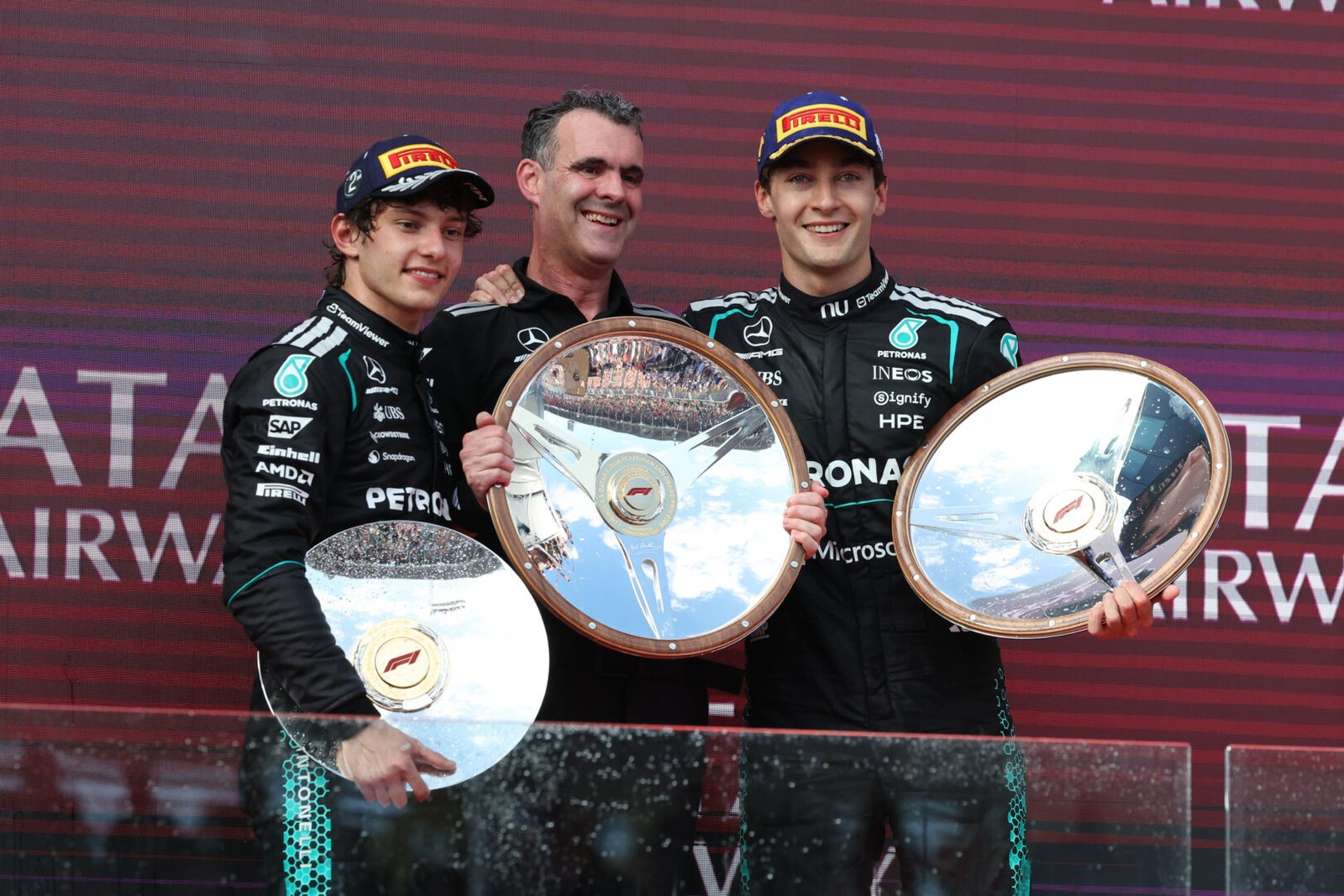
Australian GP: The 2026 season of Formula One begins this weekend at the iconic Albert Park Circuit, marking the start of one of the most significant regulation resets in modern F1 history. New technical rules, revised power units, and a reshuffled competitive landscape mean teams arrive in Melbourne with more questions than answers.
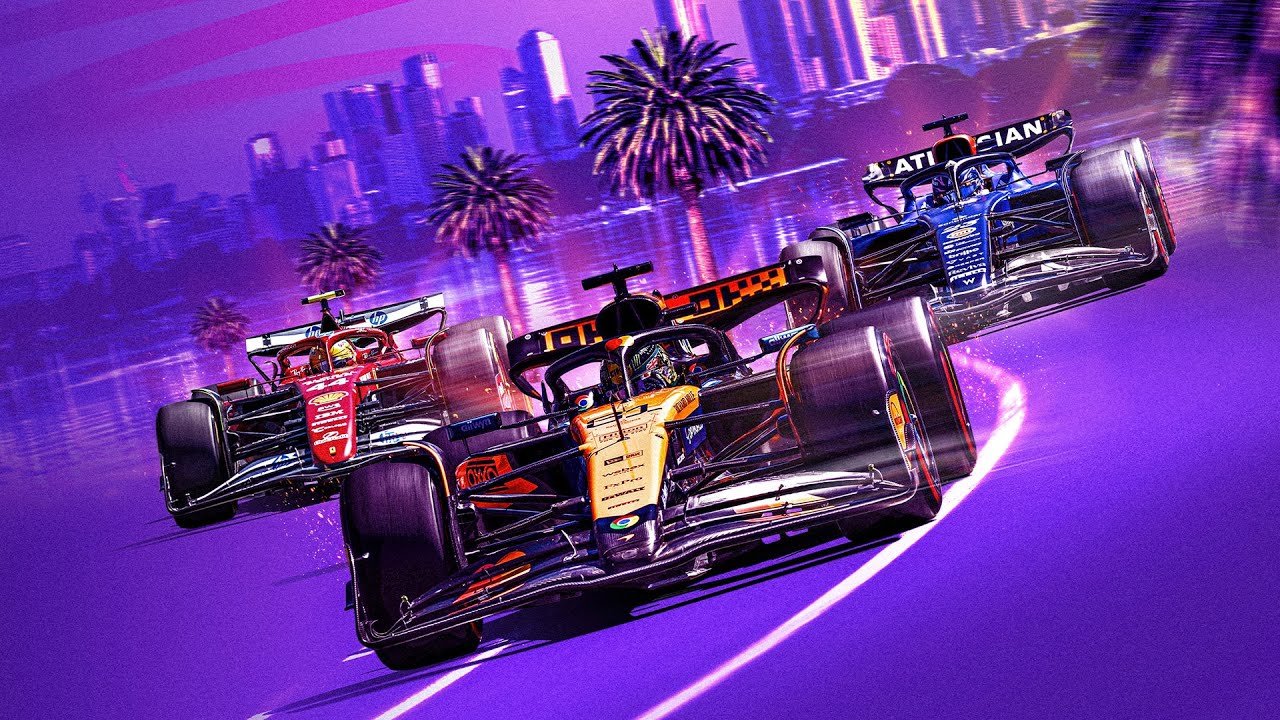
With reigning champion Lando Norris beginning his title defence and several teams hoping the regulation overhaul will reset the competitive order, the opening round could provide the first real indication of who has best interpreted the new era.
A New Technical Era for Formula 1
The 2026 season introduces sweeping changes aimed at making cars lighter, more energy-efficient, and more competitive on track.
One of the most notable shifts is in the power unit regulations. The long-standing MGU-H component has been removed, simplifying the hybrid system and shifting a much larger share of performance toward electrical energy deployment. Teams must now balance internal combustion power with significantly increased electric output, making energy management a key strategic factor during races.
Aerodynamically, the cars also undergo major changes. The new designs focus on improved efficiency and reduced drag, with revised aerodynamic concepts that change how airflow is managed across the car. The goal is to make following another car easier while maintaining high performance levels.
Another change affecting racing dynamics is the introduction of a new overtake system to replace the traditional drag-reduction approach used in previous seasons. Rather than relying solely on rear-wing adjustments, drivers can now access additional electrical power to aid overtaking, adding another strategic element to racecraft.
Together, these changes represent one of the largest technical resets in Formula 1 since previous landmark regulation shifts that reshaped the competitive order.
Season Storylines Heading Into Melbourne
With a completely new rulebook in place, the 2026 opener is unusually unpredictable. Pre-season expectations suggest that the traditional frontrunners could remain competitive, but regulation resets historically create opportunities for teams to close performance gaps.
Several personal storylines also shape the narrative heading into the opening race.
Australian driver Oscar Piastri arrives at his home race carrying the expectations of a local crowd eager to see a home winner in Melbourne. Meanwhile, Charles Leclerc begins the season following a major milestone in his personal life, adding a unique storyline to Ferrari’s campaign.
Elsewhere, the new season brings fresh pressure on several established stars as teams adapt to the new technical landscape.
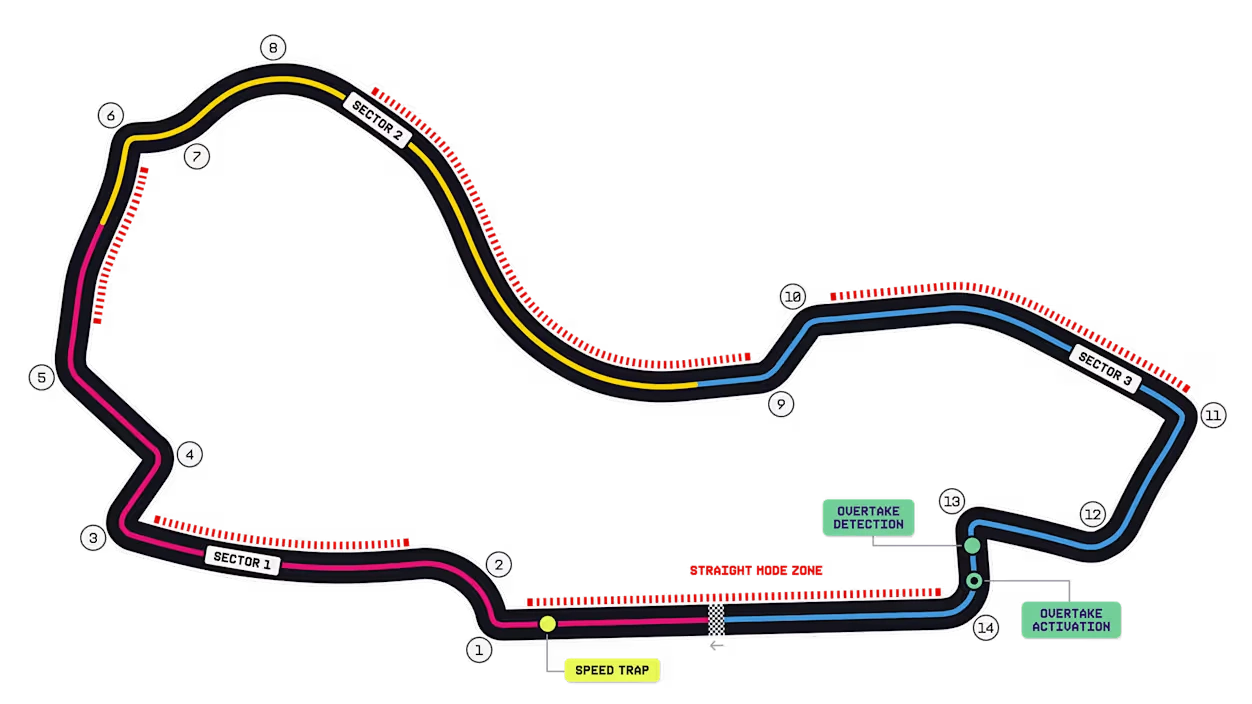
The Albert Park Circuit is a 5.278 km semi-street circuit with 14 turns and hosts the season-opening round of Formula One. The race runs for 58 laps, covering 306.124 km.
Built using public roads around Albert Park Lake, the circuit is typically slippery and bumpy early in the weekend, with grip improving as rubber builds up on the racing line. Despite its street-track nature, Albert Park is one of the faster circuits on the calendar, with average speeds exceeding 250 km/h.
Under the 2026 rules, the track features five Straight Mode zones across the lap, while the new Overtake Mode detection point sits just after Turn 13, giving drivers a chance to attack on the run to the final corner.
Australia first joined the F1 calendar in 1985 at Adelaide, before moving to Melbourne in 1996. The circuit has since become one of the most popular venues on the calendar, with Michael Schumacher holding the record for the most wins here and Scuderia Ferrari the most victories among teams.
Where the Teams Stand
McLaren
McLaren enters the new season in a strong position following its recent success and Lando Norris’s championship victory. The team has built momentum over the past seasons and will be hoping its interpretation of the new regulations allows it to remain a front-runner.
However, with teammate Oscar Piastri racing in front of a home crowd, internal competition could add an extra dynamic to McLaren’s opening weekend.
Red Bull
Red Bull Racing begins the season with expectations of remaining among the leading contenders. Despite the regulatory reset, the team’s strong engineering foundation and the presence of four-time world champion Max Verstappen ensure they remain one of the most closely watched teams heading into the season opener.
How well Red Bull adapts to the revised power unit balance and aerodynamic philosophy will be a key storyline in Melbourne.
Ferrari
Scuderia Ferrari arrives at the new season looking to convert potential into consistent championship contention. Charles Leclerc leads the team into another campaign, with Ferrari hoping the regulation reset will help close the gap to its rivals.
The Italian team has historically performed strongly when new technical rules are introduced, making it a potential contender if its concept proves competitive.
Mercedes
Mercedes-AMG Petronas Formula One Team enters the new era, aiming to return to championship-winning form. With George Russell leading the charge, Mercedes will be hoping that the revised power unit regulations play to their traditional strengths in hybrid engine development.
The team’s ability to adapt quickly to the new aerodynamic philosophy could determine whether they can challenge for victories early in the season.
What to Expect From the Season Opener
Season-opening races often produce surprises, and the 2026 Australian Grand Prix could be particularly unpredictable due to the scale of the regulation changes. Teams arrive with limited real-world data, meaning practice sessions and qualifying will provide the first meaningful indications of performance.
With new technology, evolving strategies, and several championship contenders in the mix, Melbourne is set to launch a new era of Formula 1 in dramatic fashion.
Weekend Schedule
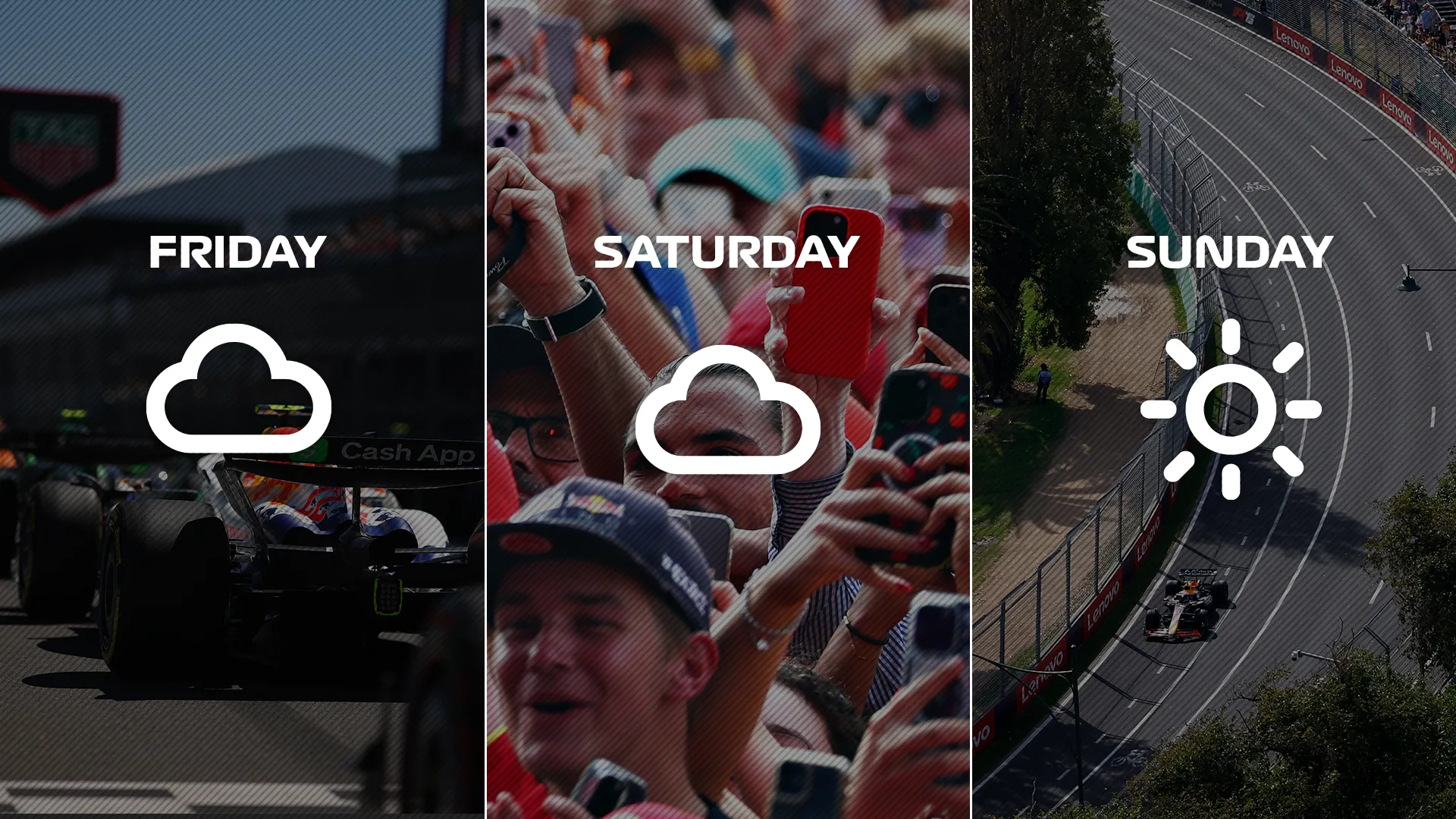
Weather Forecast
Desi Racing Co. is dedicated to bringing the latest updates and insights from the world of motorsport. Whether it’s Formula 1, Formula 2, WEC, MotoGP, Indian motorsports, or other racing series, we’ve got you covered! Stay connected with us for in-depth motorsport coverage. Follow us on Twitter/X, Instagram, and LinkedIn to keep up with the latest motorsport news and updates.
Formula 1
Indian GP To Return Soon? How Realistic Are the Chances
Speculation around the return of the Indian GP is gaining momentum once again, with government interest, circuit discussions, and growing Formula 1 popularity in India fueling optimism. But how realistic is an F1 comeback?

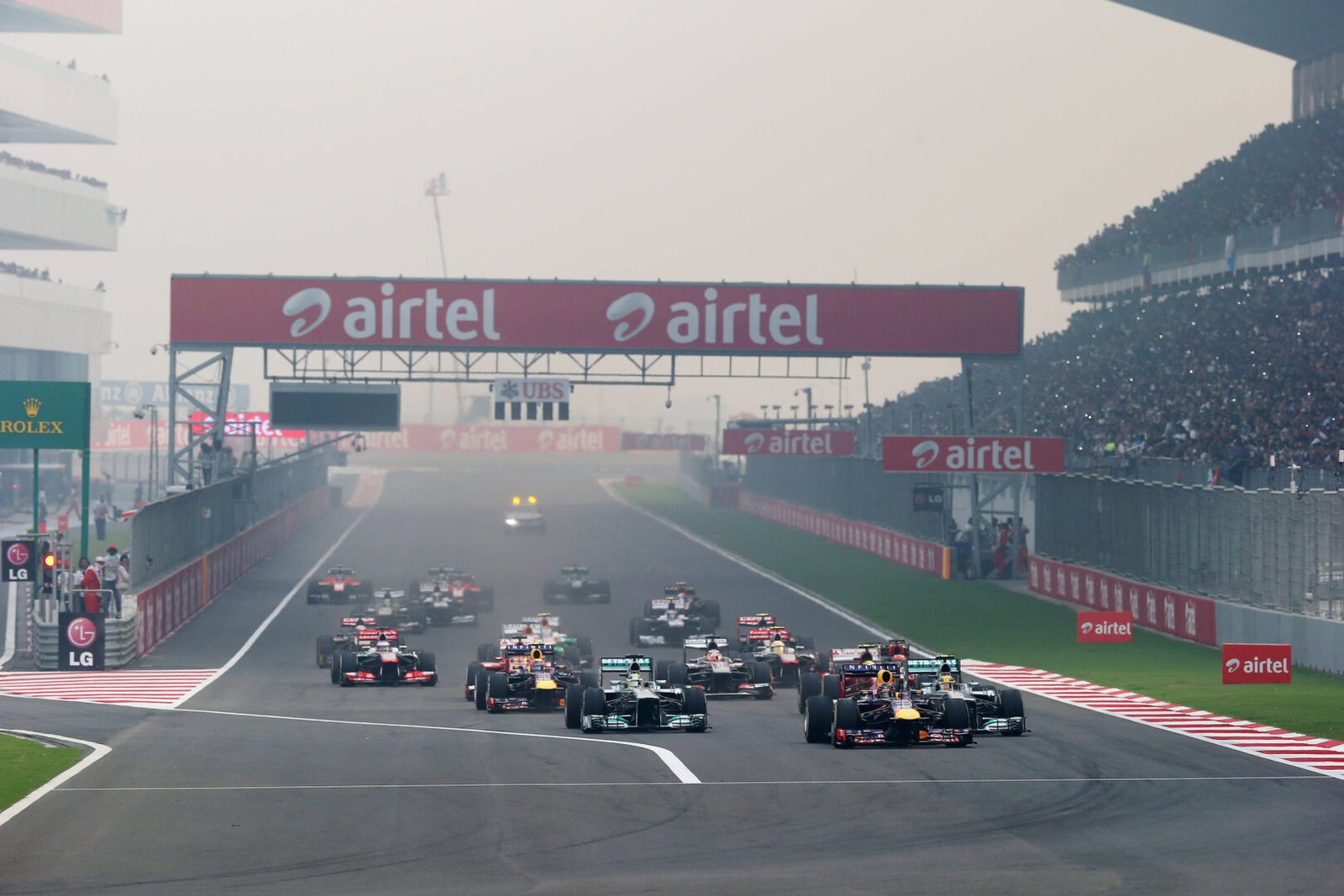
Indian GP to return soon? The chatter around the revival of the Indian Grand Prix and bringing Formula 1 back to India has started once again, but will it finally materialise this time, or will it remain another wave of optimism that slowly fades away?
Table of Contents
Over the past decade, discussions about Formula 1’s return to India have surfaced multiple times, often driven by growing fan interest and expanding digital viewership. The previous stint of the Indian Grand Prix, held between 2011 and 2013, ended not due to a lack of audience enthusiasm but because of financial, taxation, and logistical complications that made the event unsustainable.
A New Wave of Optimism?
On Tuesday, February 2, 2026, India Today reported that the Government of India is keen to bring Formula 1 back to the country after more than a decade. The report also stated that the Ministry of Youth Affairs and Sports is working toward easing the tax burdens and bureaucratic hurdles that previously contributed to the discontinuation of the Indian GP.
According to sources within the Ministry of Youth Affairs and Sports, Sports Minister Mansukh Mandaviya has already visited the Buddh International Circuit in Greater Noida and held discussions with officials regarding the potential revival of the event.
“The sports minister visited the Buddh International Circuit last week and discussed timelines for restarting the event. He has instructed the owners to identify an event management company to oversee operations for the next two to three years. Once the process gains momentum, tax-related issues are also expected to be addressed,” the sources said.
Interest from Formula One Management (FOM)?
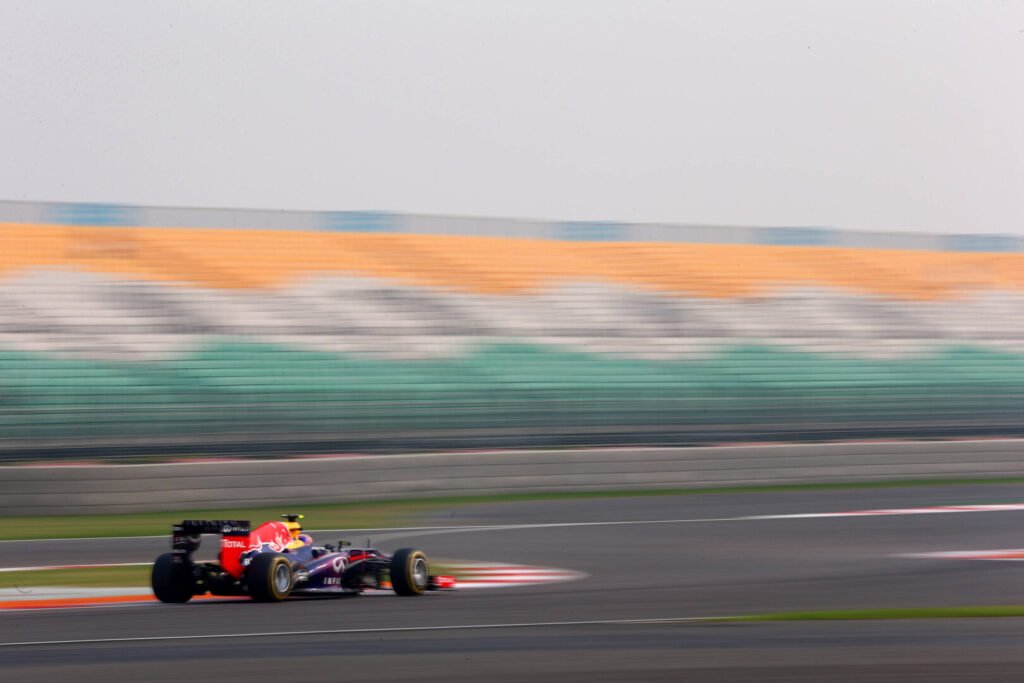
In February 2024, reports from Formula 1 journalist Joe Saward indicated that Formula One Management (FOM) was open to returning to India in the near future, provided the necessary commercial, logistical, and regulatory conditions were met.
Reported Government-Level Support?
In April 2024, journalist Joe Saward wrote in his newsletter that the Indian Grand Prix had backing from the highest levels of the Indian government. However, he also noted that several issues affecting the previous edition of the race were still concerns, including fears about equipment seizures related to tax disputes. According to Saward, such uncertainties have historically made Formula 1 cautious about returning unless regulatory clarity and administrative processes improve. He added that, if conditions were to align in the future, a potential venue could be considered in the home state of the current Indian Prime Minister.
GIFT City Racetrack Plans Face a Roadblock
In January 2024, the Government of Gujarat issued a Request for Proposal (RFP) titled “Appointment of an agency for undertaking a feasibility study and preparation of a master plan for an F1 circuit at GIFT City.” The proposal outlined a preliminary target of hosting a potential first event around 2028, subject to the study outcomes and subsequent approvals.
However, just over six months after the Request for Proposal was issued, plans to build a Formula 1 circuit at Gujarat’s GIFT City reportedly came to a halt. Reports suggested that the existing urban layout of GIFT City could make it challenging to design a track that meets Formula 1 standards due to structural and planning constraints. In addition, the project was expected to require significant financial investment, with cost estimates for constructing a compliant circuit ranging from Rs. 5,000 crore to Rs. 10,000 crore, raising further feasibility concerns.
Renewed F1 Talks Following MotoGP’s 2023 Debut
After hosting India’s first MotoGP race in 2023, the Yamuna Expressway Industrial Development Authority (YEIDA) stated that discussions with Formula 1 organisers were likely to take place in the near future.
However, no further public updates followed this announcement, suggesting that the talks did not progress into any confirmed developments, and the momentum gradually subsided. The future of MotoGP in India also became uncertain, as the event did not return to the country after its inaugural 2023 season.
Is the Return of Formula 1 to India Realistic?
From today’s news and updates, it appears momentum is gradually building toward bringing the pinnacle of motorsport back to India. However, even if plans move forward smoothly, Formula One Management (FOM) would still face the complex task of finding space on an already crowded calendar.
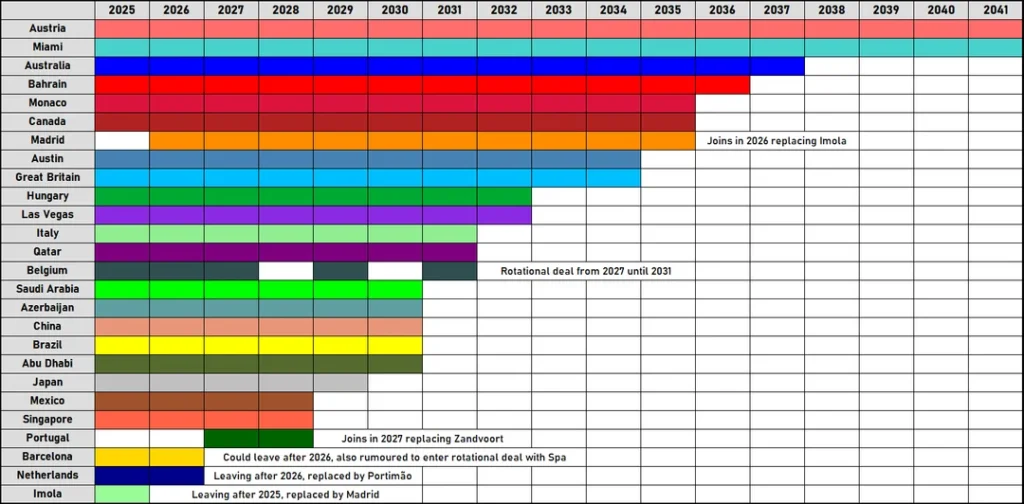
With the current regulations allowing a maximum of 24 races per season, adding a new Grand Prix would likely require replacing an existing event or waiting for contract cycles to end. Several circuits are already tied to long-term agreements that extend into the 2030s, with some deals reportedly running through 2041. As a result, securing a realistic slot for the Indian Grand Prix in the near term could prove challenging, making a return more plausible toward the latter part of the decade rather than immediately.
However, it is still wise to approach these developments with cautious optimism. Conversations about the revival of the Indian Grand Prix are not new, and in the past, similar waves of reports and discussions have surfaced without materialising into a confirmed race.
The Curious Case of Formula 1 in India
If you’d like a deeper look into the story behind Formula 1’s rise and sudden exit from India, we’ve covered the entire journey in a dedicated video titled “The Curious Case of F1 in India.” It explores the key events, challenges, and decisions that shaped the sport’s presence in the country.
Watch it here to understand what really happened:
Desi Racing Co. is dedicated to bringing the latest updates and insights from the world of motorsport. Whether it’s Formula 1, Formula 2, WEC, MotoGP, Indian motorsports, or other racing series, we’ve got you covered! Stay connected with us for in-depth motorsport coverage. Follow us on Twitter/X, Instagram, and LinkedIn to keep up with the latest motorsport news and updates.

“The Biggest Thing is the Relations That You Leave Behind.” Ary Bansal on his move to Europe and the ultimate dream of racing in Formula 1

MotoGP India Promoter Bankrupt? ₹203 Crore ($22 Million) Remains Unpaid

IAME Series makes its way to India: A new gateway for young drivers

EXCLUSIVE: Arjun Maini On His GT Racing Career Till Now and his Ambitions for the Future

Antonelli Announces Himself in Shanghai: Mercedes Dominate as Hamilton Claims First Ferrari Podium

Australian GP 2026 Preview: A New Era Begins in Melbourne
-

 Formula 13 years ago
Fancode: Everything you need to know before the Bahrain GP
-
Formula 110 months ago
INTERVIEW: Everything you need to know about watching Formula 1 on FanCode in 2026
-
DTM2 years ago
DTM 2024: Cars back in action at the Nürburgring GP
-
MotoGP1 year ago
Indian GP Dropped for 2026 – A Brewing Dispute Between Dorna and Organizers?
-
Formula 12 years ago
GIFT City’s Formula 1 Racetrack Plans Hit a Roadblock
-
Indian Motorsports2 years ago
Indian National Motorcycle Racing Championship 2024 kicks off in Chennai
-
Endurance/Sports car racing2 years ago
“I Want to Return to Single-Seaters and Reach Formula 1”: Mahaveer Raghunathan on His Ambitions, Challenges, and Racing Journey
-
MotoGP3 years ago
Jio Cinema will be the Indian OTT broadcaster for MotoGP









You must be logged in to post a comment Login